Tell us what you noticed
The address, what you are seeing and roughly when it started, plus a storm date if there was one. Photos help but are not required.
Fate, Texas · Roof repair
A brown ring on a hallway ceiling, a couple of shingle pieces in the flower bed after a windy night, or a strip of flashing standing away from the chimney. Most of the time that is a repair, not a new roof, and the difference is worth understanding before anyone quotes you either one.
Pipe boots, flashing, wind-lifted shingles, valleys and hail spots. What a focused repair puts right, and when it stops being the honest answer.
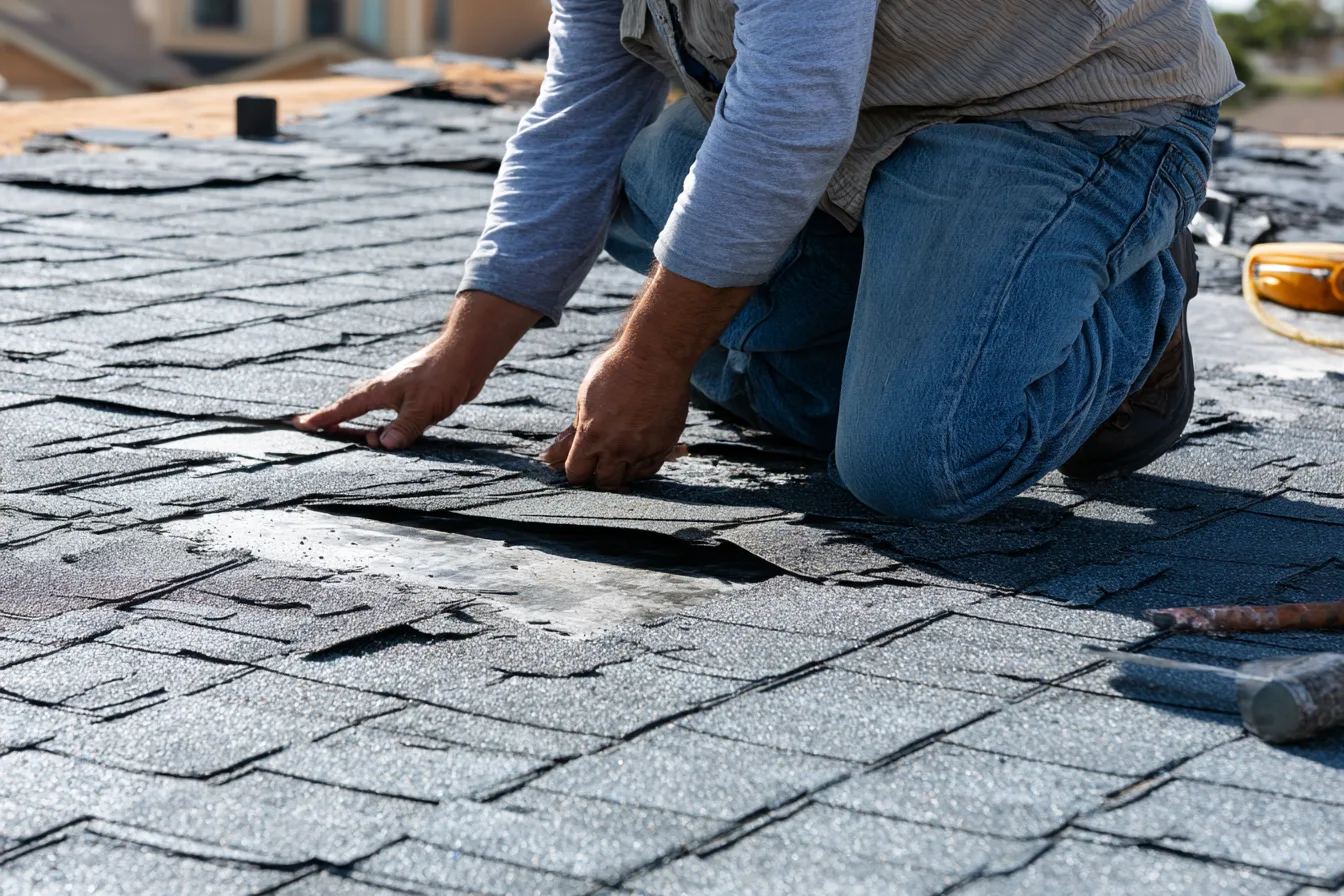
Start with what failed
Something up there got your attention: a stain after a hard rain, shingle pieces in the yard the morning after April 27, or a look at the gutters you did not like. The first thing worth saying is the part the door knockers leave out. Most roofs that need attention need a repair.
A repair done properly is not a patch you settle for. It means finding the source instead of the symptom, replacing the failed part with the right material, and tying the new work back into the shingles around it. When that is possible it is the honest answer, and it costs a fraction of a replacement.
When it is not possible you should hear that too, with a reason you can see in a photograph.
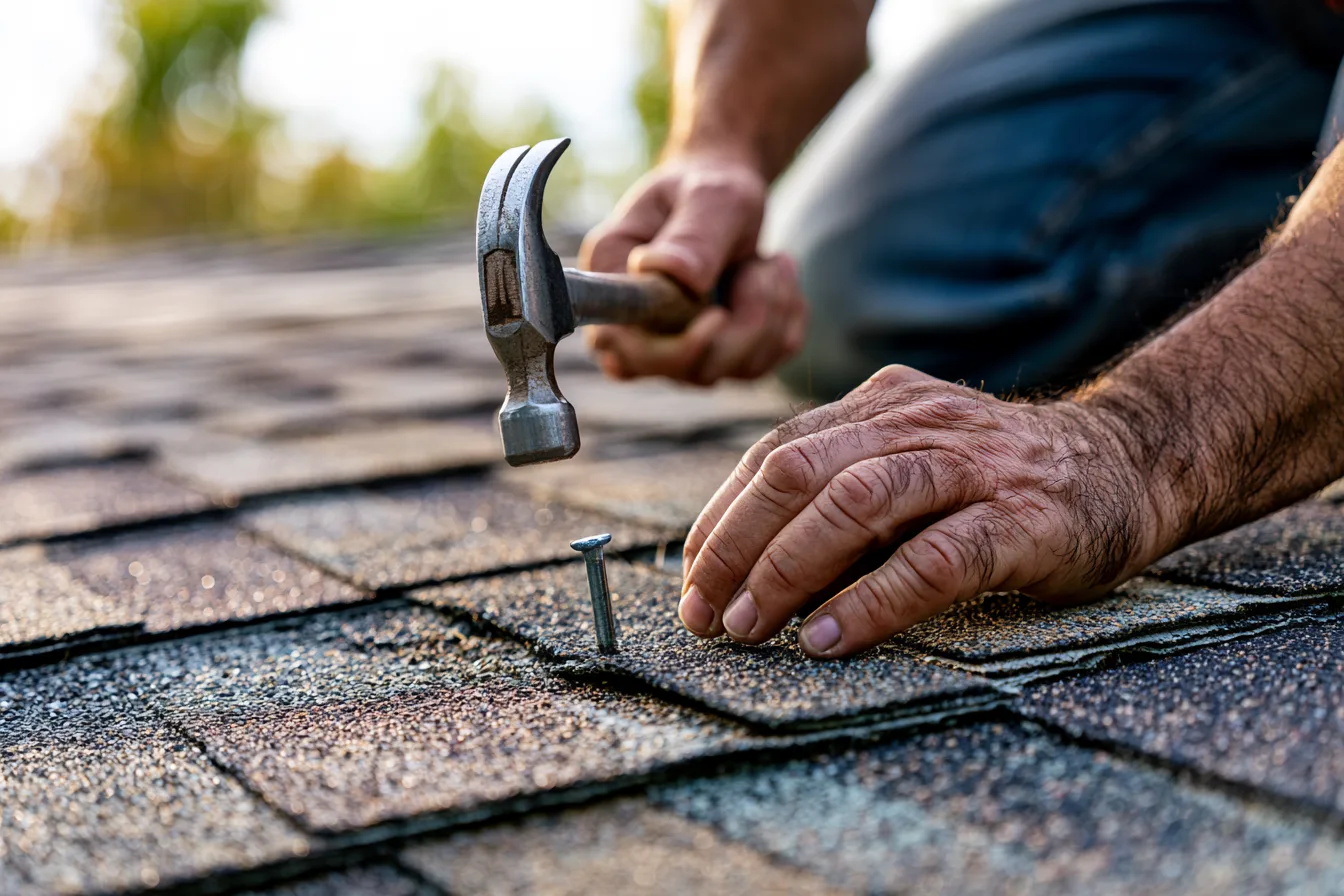
What actually fails
Roofs rarely wear through in the middle of a slope first. They fail where something interrupts the shingles and where water changes direction. These are the repairs that come up most often on Fate homes, each with the condition that turns it into a bigger conversation. A leak that keeps returning is its own problem, and roof leak repair covers how a source gets traced rather than sealed over.
The rubber collar around a plumbing vent dries and splits years before the shingles are tired. It is the first thing on most roofs to fail and among the cheapest to put right. When one has gone the others are the same age, so they are worth doing together.
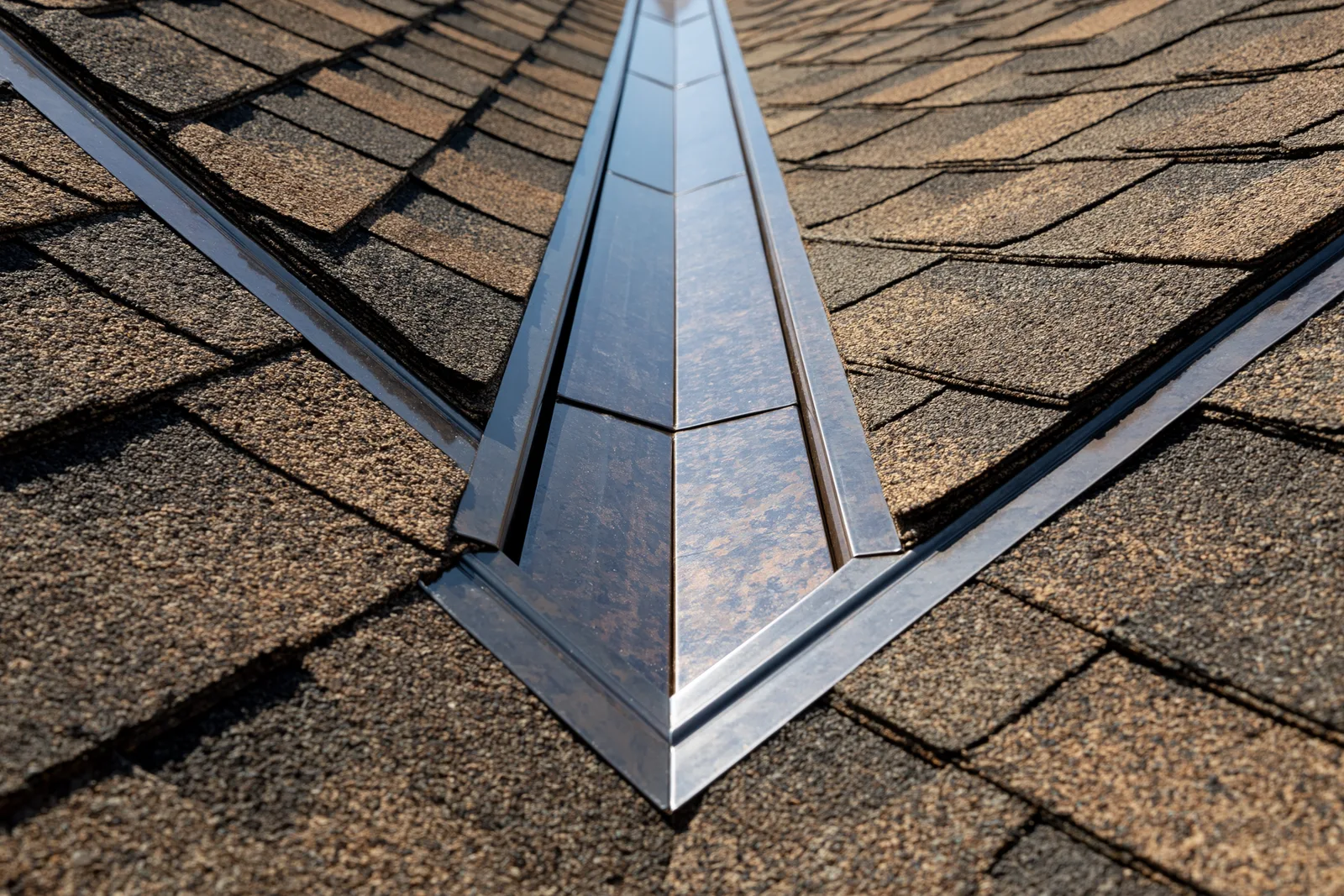
More leaks trace to flashing than to shingles. Step flashing up a sidewall, counter-flashing set into chimney mortar and the saddle behind a wide chimney all get resealed or rebuilt. Sealant smeared over a joint that has pulled apart buys a season, then splits along the same line.
Wind breaks the self-seal strip, lifts the tab and leaves a permanent fold. A creased shingle will not re-seal itself. One corner of one slope weaves in cleanly. Creases across every slope mean the field has lost its bond, and patching does not bring it back.
A valley carries more water than anything else on the roof, so it wears first. On a younger roof it can be opened up and rebuilt. On an aging roof, a valley wearing through means the hardest-working part of the roof is finished and the field is not far behind.
A handful of bruised or cracked shingles can be replaced individually, and a puncture from a limb is a same-day fix. What decides it is how many and how spread out. Marks on the storm-facing slope is a repair. Marks on slopes facing different directions is not.
Every one of these depends on the shingles around the repair being sound enough to lift and re-seal. That condition, more than the repair itself, decides the answer.
Age by itself is not the test. What the field does when a roofer lifts a shingle is the test, and it puts a roof in one of three places.
One traceable problem on a roof with real life left: a cracked boot, a flashing joint, a wind patch on one corner. The shingles around it still flex when they are lifted, they re-seal in the Texas sun, and the new work disappears into the field. This is most of what goes wrong on a Fate roof.
The repair itself is simple, but the field around it has gone brittle. Shingles crack when they are lifted and each fix breaks two more beside it. A roof in the last stretch of its life sits here. A repair can still be right, especially to get through a season while you budget, but it should be described and priced that way rather than sold as permanent.
Leaks arriving in different places within a season or two, bruising or bare mat across several slopes, decking that gives underfoot, or two layers already on the house. At that point each repair rents a few months of a roof you will replace anyway. The third leak in two years is not bad luck, it is a pattern.
Nobody can price a roof repair from a phone call, and any site publishing a Fate repair price list is inventing it. Repairs are priced by the detail that failed, how much roof has to come apart to reach it, and whether the decking underneath turns out to be wet.
What you can do is put it in scale. A boot swap or a flashing reseal sits at the small end. Rebuilding a valley or chimney flashing sits well above it. And when a repair quote climbs toward a third of what a new roof would cost, that ratio is worth listening to, because at that point you should be pricing both. The replacement planning ranges give you the other half of that comparison for a typical Fate roof.
A written proposal is what makes any of that checkable. It should name five things.
A first-roof town
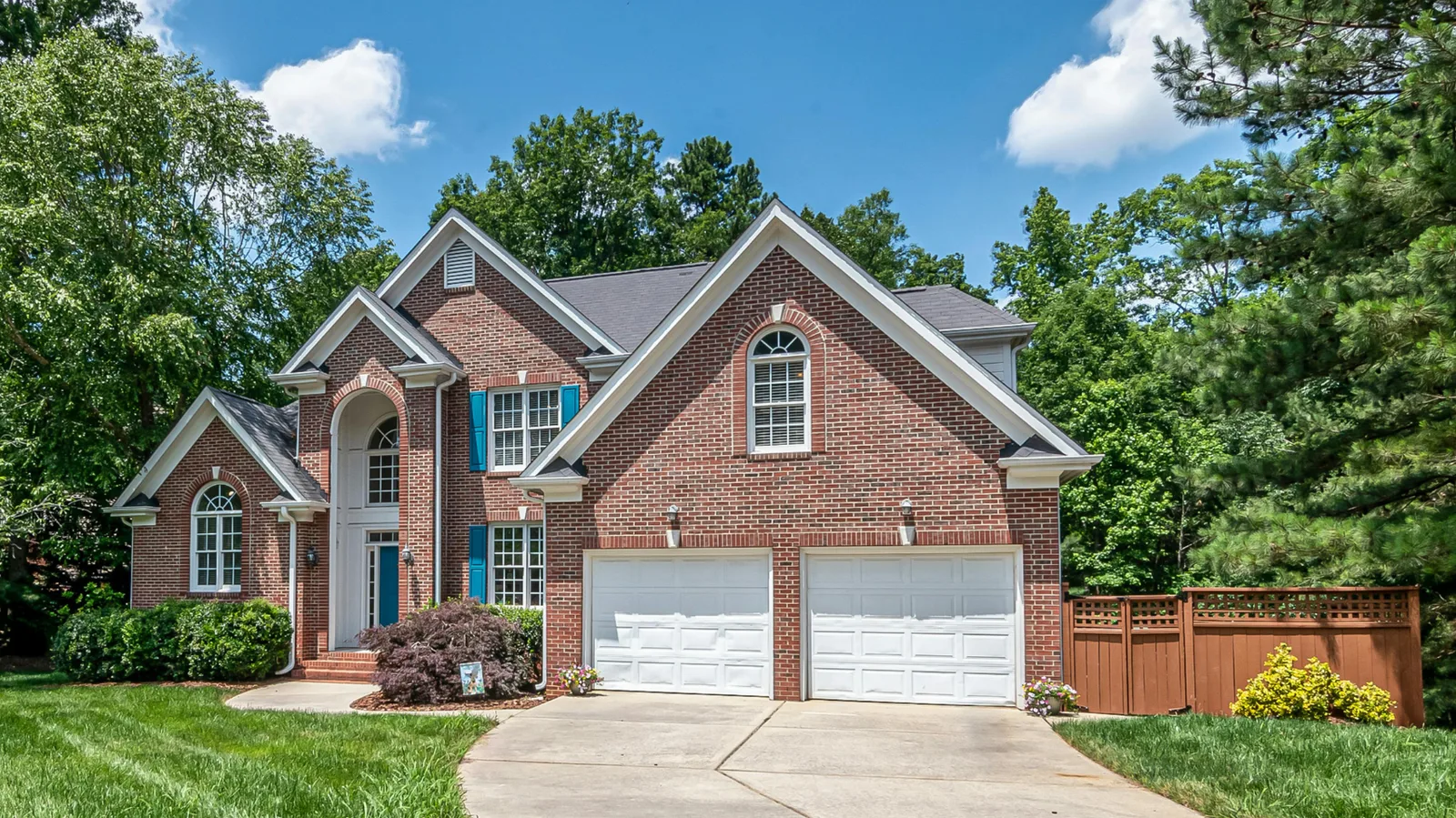
Fate went from about 6,400 people in 2010 to roughly 29,000 today, nearly all of it master-planned neighborhoods. The Williamsburg district dates from 2006, Woodcreek and the Reserve at Chamberlain came out of the same 1,700 acres Centex bought, and Edgewater and Monterra are newer. So most roofs in town are a builder first roof, five to twenty years old.
That age band is good news for repairs. The shingles are usually still workable, so a failed detail can be fixed without wrecking the field around it. And what goes wrong on a young roof is hardly ever the shingles. It is the parts that were never built to last as long. When the call is genuinely close, the repair or replace guide walks through the three questions that settle it.
A boot on a house finished in 2012 has baked in Texas sun for over a decade. Splitting is what they do, and it is the most common reason a young ceiling grows a stain.
A fastener that works loose lifts a small tent in the shingle above it. Ordinary rain runs past; a driving rain finds it. The repair takes minutes once somebody knows where to look.
The bead at a wall flashing or a satellite mount is a finish over metal that does the real work. It dries and splits on its own schedule, long before the roof is due.
Being young protects a roof from wear, not from a two inch stone. A 2018 roof can take real hail damage on one slope and still be repairable on the others.
District creation dates tell you when a neighborhood started, not how old any one roof is. A house on a 2006 street may already be on its second roof.
Asking is not committing. You can find out what is wrong and decide about the work afterward.
The address, what you are seeing and roughly when it started, plus a storm date if there was one. Photos help but are not required.
A roofer traces the source instead of the symptom, checks how the shingles around it behave when lifted, and photographs what is there, including the parts that are fine.
What failed, what the fix is, what it costs, and the condition of the rest of the roof. If a repair will not hold, that comes in writing too, with the photos behind it.
Close, but usually not exactly. A roof that has been in the sun for ten years has lost granule color, and production runs shift shade anyway. On a back slope nobody notices. On the slope facing the street, hold a sample against the roof first. If your neighborhood reviews exterior changes, HOA roof approval covers what that process usually asks for.
Not automatically. A sound sixteen-year-old roof with one traceable problem can be a legitimate repair. What changes the answer is how the shingles behave under a hand: if they crack when lifted and the seal strips have let go, a repair breaks about as much as it fixes. Somebody has to feel that on the roof, not judge it from your driveway.
For the roof itself, no. A hail bruise is a fracture in the mat and it does not heal; that spot keeps aging faster than the shingles beside it. For a claim, time does matter, because policies carry deadlines and the loose evidence washes out of the gutters. Check which date applies to your street in the Fate storm history, and see hail and storm damage for how the claim side works.
A leak does not wait, so anything letting water in gets fixed now. Everything else can be batched, and often should be: boots that are all the same age, sealant at several flashings, a lifted cap or two. One visit that lists all of it costs less than three separate trips, and the written scope should say plainly which items need doing now and which can wait a season. Ask for the whole roof to be looked at, not only the spot you called about.
Fate Roofing Co
The address, what you are seeing, when it started and whether a storm came first. That is enough for someone to know what to look for.
(945) 307-7600