Fate, Texas · Roof inspections
Roof inspections in Fate, TX
You are not certain anything is wrong, and you would rather not pay for a sales visit dressed up as an inspection. Fair enough. A roof inspection is a documented look that answers the question either way, including the answer where nothing needs doing.
Photos, written findings and a plain recommendation. Send the address and the reason you are asking.
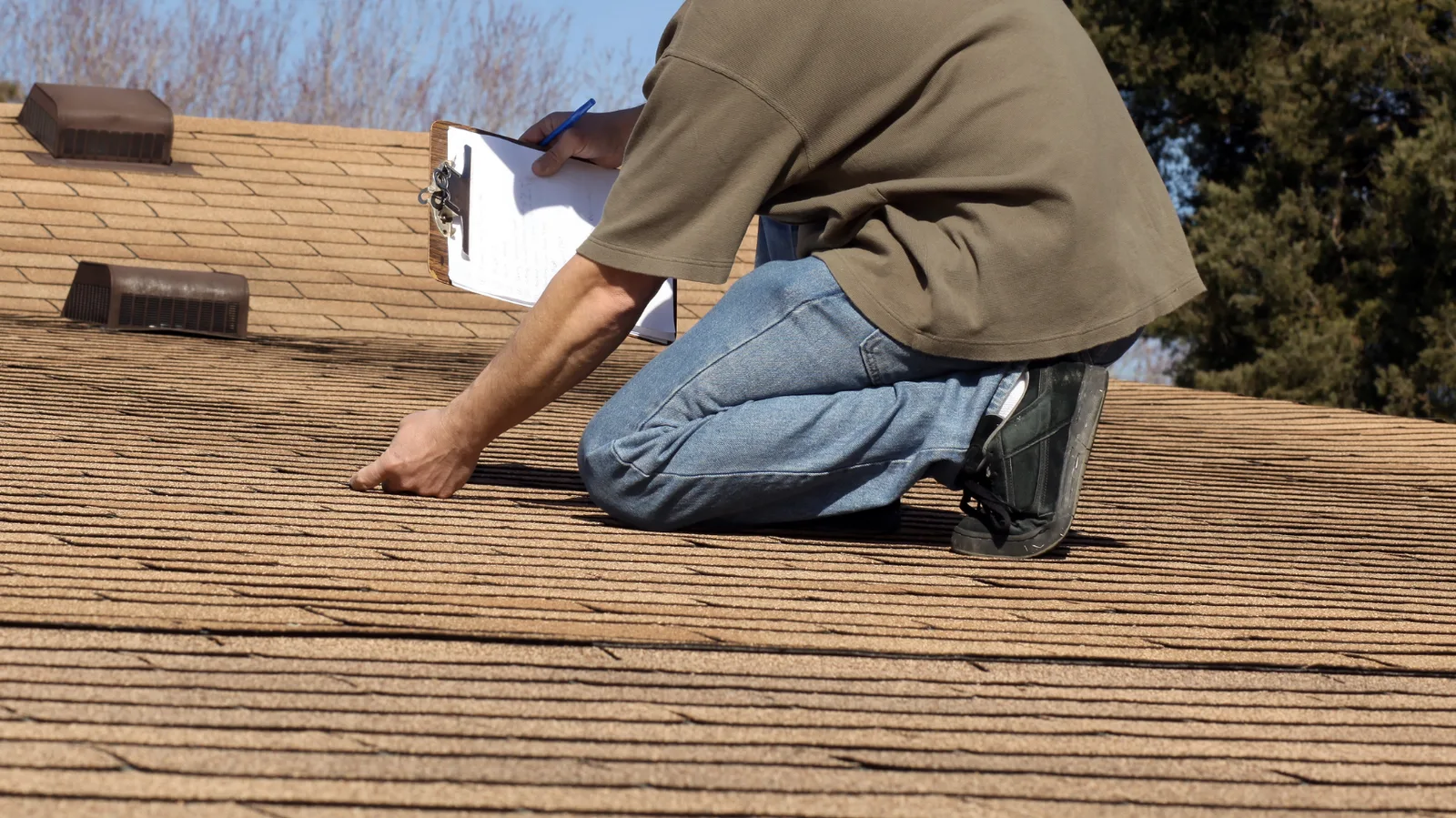
A documented look
Roof inspections for Fate homes
Fate is a town of first roofs. The neighborhoods here went up in a few short waves of building, Williamsburg from its 2006 district onward and the newer communities behind it, and each wave put hundreds of similar roofs on within months of each other. Whole streets are aging at the same rate.
An inspection is worth having when you want to know where yours actually sits, before someone at the door tells you. The version worth paying attention to comes back with photographs of what was found, a written summary you can hand to somebody else, and a recommendation that is allowed to say the roof is fine.
What it cannot do is tell you what happened at a house three streets over. Yours gets judged on its own evidence.

When it earns its keep
Three moments a Fate roof is worth inspecting
A roof does not need annual attention the way a furnace does. There are three moments where a look pays for itself, and outside of them a healthy roof mostly wants to be left alone. If a storm date is what brought you here, the storm history lists the reported hail and wind near Fate by date, so you can check yours before you ask anyone to climb anything.
After a hail date
Bruised shingles are nearly invisible from the ground and blend into ordinary aging within months. The evidence is cleanest soon after the storm, which matters for the repair decision and for a claim that has a deadline attached to it.
Before you buy or sell
A roof is one of the few parts of a house that can change a contract. A buyer wants to know how many years are left. A seller would rather find out whether to fix it, disclose it or price it in before the option period than during it.
Around year ten on a builder roof
Nothing dramatic usually happens at ten years, and that is the point. It is when the small things start: a dried pipe boot, sealant that split at a wall, a ridge cap that lifted in a gust. Catching those is cheap. Finding them through a ceiling stain is not.
Reported hail near a street is not proof of damage at a particular house, and a quiet record does not prove there was none. The roof settles it.
Where the evidence lives
What an inspection looks at
A roof is a system of layers and joints, and it almost never fails in the middle of a slope. These are the places worth someone's attention, in roughly the order they cause trouble.
- The shingle field
Granule loss, bruising you feel more than see, cracked or creased tabs, and whether the damage sits on one slope facing one direction or across the whole roof. That pattern is what separates hail from wind from ordinary wear.
- Flashing and valleys
Wall and chimney flashing, step flashing woven into the shingle courses, and the metal in the valleys where two planes send their water into one channel. More leaks start here than anywhere else on a shingle roof.
- Pipe boots and penetrations
The rubber collar around a plumbing vent dries, splits and lets water past long before the shingles are finished. Vents, turbines and anything else that punches through the deck get looked at the same way.
- Ventilation at the eave and ridge
Intake at the soffit and exhaust at the ridge are meant to be balanced. When they are not, the attic bakes through a Texas summer and the shingles age from underneath, which no product rating protects against.
- Gutters, drip edge and soft metal
Aluminum dents at hail sizes that also bruise shingles, so gutters, downspouts and vent caps often carry the clearest evidence on the whole property. Piles of granules at the downspout outlets tell the same story.
- The attic, when the evidence points inside
Attic entry is not a standard step on every inspection. It earns the trip when a leak has no visible source on the surface, when decking feels soft underfoot, or when ventilation is the open question, and only where the hatch and the clearance allow it safely.
What you should have in hand afterward
An inspection you cannot show to anyone is not worth much. What makes it useful is that it outlives the visit: photographs of each finding, a written summary in words you can repeat to a spouse or an adjuster, and a recommendation that says what to do and when.
Most findings turn into a short list rather than a crisis. A split boot, a lifted ridge cap, a flashing joint that needs redoing: those belong in a roof repair conversation, not a replacement one. When a report does recommend replacement, it should show you the evidence across the slopes rather than simply assert that the roof is done.
- Photos of what was found, with enough context to tell which slope each one came from.
- Written findings that separate what needs doing now from what can wait a season.
- A recommendation you can act on, including the honest one: nothing needed yet, look again after the next storm.
Where the roofer's job ends
Inspections and the insurance claim
If an inspection finds storm damage, the report is evidence, not a verdict. Your insurer decides what is covered and how it is paid. What good photographs and written findings do is make sure everyone is arguing about the same roof.
Texas is specific about the boundary here. A roofer who does the work cannot act as your public adjuster on the same claim, and cannot waive, rebate or absorb your deductible. What that leaves the roofer is the honest job: document the roof, write the scope, and be there when the adjuster walks it. The roof insurance guide covers settlement methods, roof age and deductibles in more detail.
See hail and storm damage
Roof inspection questions in Fate
How long does an inspection take?
On an ordinary Fate two-story, usually under an hour on the roof, plus the time it takes to write it up properly. A cut-up roof with a lot of valleys takes longer, and so does tracing a leak that is not showing an obvious source. The write-up is the slow part, and it is the part you keep.
Can I use the inspection report when I sell the house?
Yes, and it is one of the better reasons to have one. A dated report with photographs tells a buyer and their inspector what the roof is, what condition each slope is in and what was done about anything found. If it turns up work, doing it before listing usually costs less than negotiating it during the option period. If it finds nothing, that is a document worth keeping with the closing papers. If a storm date is part of the story, the Fate storm history gives you the record to attach.
What happens if the inspection does find hail damage?
Then you have photographs, a date and a written description, which is what a claim needs to start from. Hail and storm damage explains what adjusters look for and how the repair or replacement decision gets made. Whether to file at all is your call, and your deductible is part of that math.
Is this going to end in a sales pitch?
It should end in findings. If the roof needs work, you will hear what and why, with photos to look at. If it does not, that is the answer you get and there is nothing to sign. You are free to take the report and do nothing at all with it.
Fate Roofing Co
Ask for a roof inspection
Send the address and why you are asking: a storm date, a stain, a sale coming up, or simply a roof that has never been looked at. You get findings back before there is anything to decide.
(945) 307-7600