Fate, Texas · Roof insurance claims

Roof insurance claims for Fate homeowners

A hail claim is mostly paperwork and vocabulary, and both are designed by people who do this every day for people who do it once. Here is what Texas law settles before your carrier gets involved, what your own policy decides, and what the words on the adjuster's summary actually mean.

Texas rules from the Department of Insurance, translated. Nothing here promises a claim outcome.

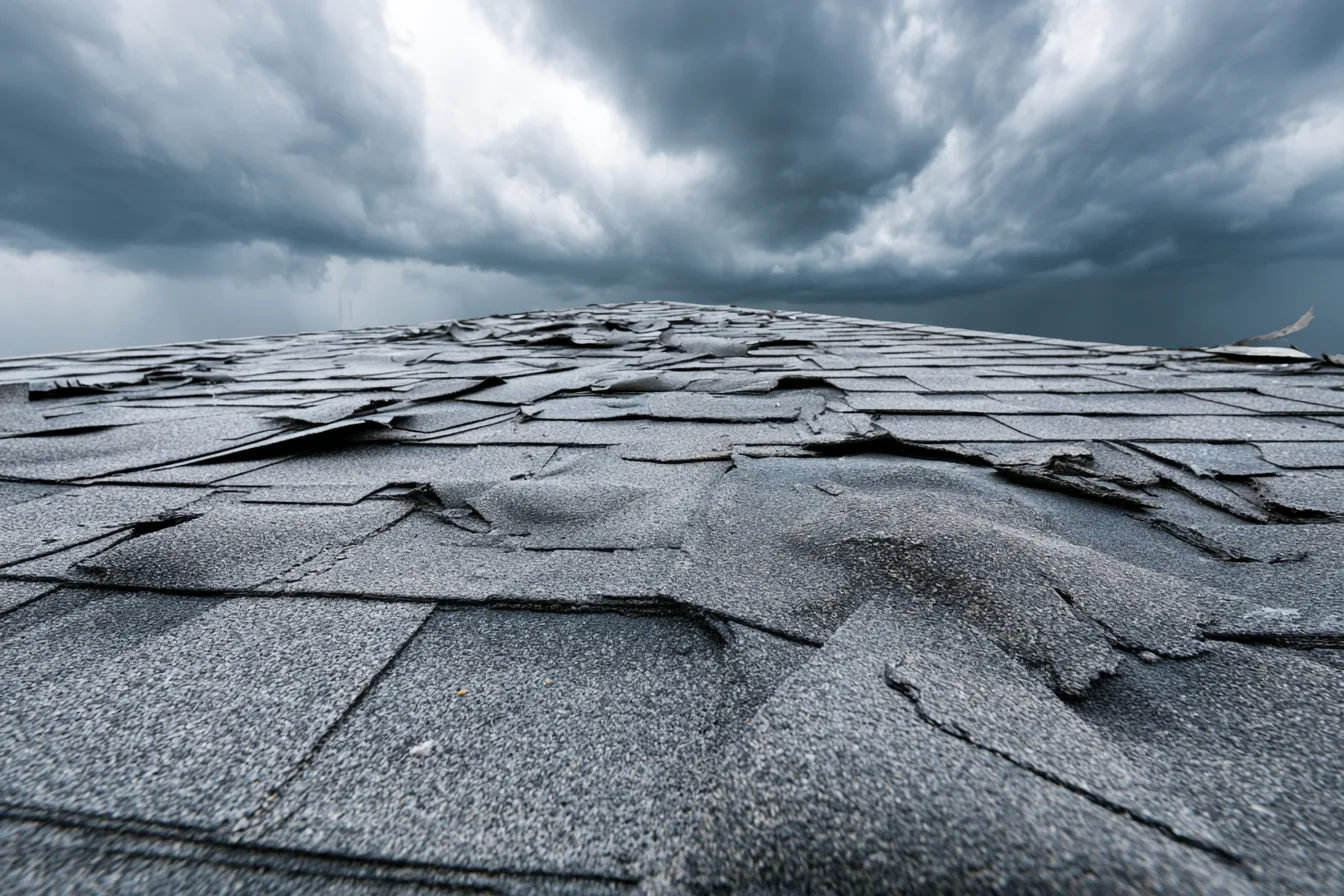
Lifted and broken shingles on a roof beneath dark clouds

Tell us about your roof

Start with the property and the roofing help you need.

Add project details or email (optional)

Before you call anyone

Roof claims in Texas, without the runaround

After a storm, two things arrive at once: water where it should not be, and a lot of confident advice. Some of that advice is wrong in ways that can cost you money, and a couple of the most common versions are actually against Texas law.

So start with what is settled. The Texas Department of Insurance publishes the rules that apply no matter who your carrier is and no matter who knocks on your door. Underneath those, your own policy decides the parts that vary the most: whether you are paid for a new roof or a depreciated one, how big your wind and hail deductible is, and how a partial loss gets handled.

Reading your policy declarations page before you call is twenty minutes that changes the whole conversation. Everything on this page is general information about how Texas roof claims work. What your policy covers, and what your carrier decides, belongs to you and your insurer.
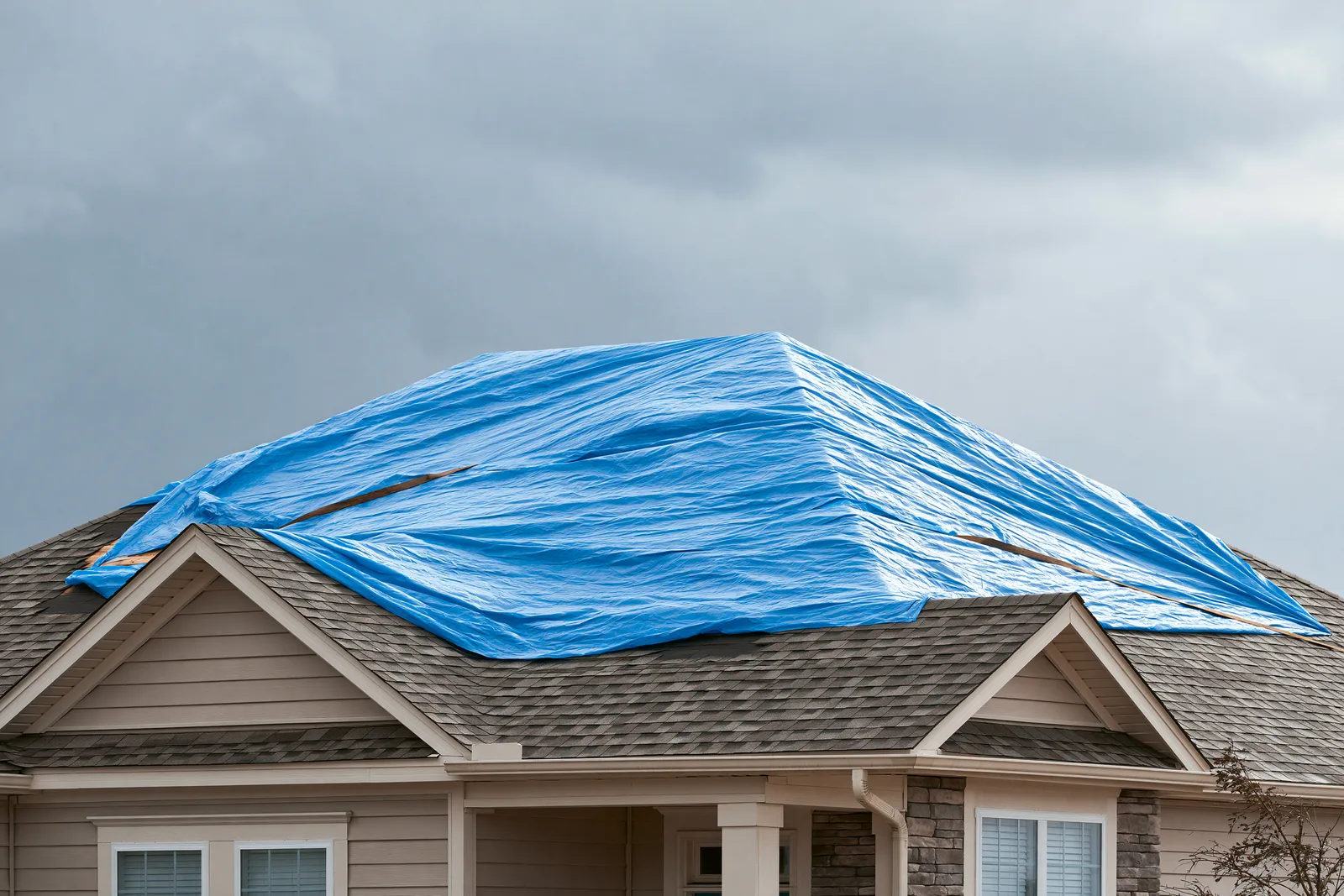
A blue tarp covers storm-damaged roof sections on a two-story home under grey clouds
A tarp holding a damaged section until the roof can be properly repaired.

Texas Department of Insurance

What Texas law settles up front

These apply to every roofing contractor operating in Texas, regardless of what a door knocker tells you. They exist because the storm-chasing version of this business gave the state a reason to write them down.

The deductible is yours to pay

A contractor cannot pay, rebate, waive or offer to absorb your insurance deductible. There is no legitimate version of the free roof or the we will cover your deductible offer. If somebody proposes it, they are proposing to break the law with your name on the paperwork.

A $1,000 contract has to say so in writing

A roofing contract of $1,000 or more that is paid from an insurance settlement must state that the policyholder is responsible for paying the deductible. Your insurer may ask for proof that you actually paid it. Read that line before you sign, because it tells you what the total really is.

Your roofer cannot be your adjuster

A contractor cannot act as a public adjuster on a claim where they are also doing the work. They can document what they find, meet the adjuster on the roof and discuss the scope of repairs. They cannot negotiate the claim on your behalf. If someone offers to handle the whole claim for you and put a new roof on, that is two roles the law keeps separate.

A public adjuster is a separate, licensed choice

If you want professional help with the claim itself, a licensed public adjuster is the legitimate route, and they work for you rather than for the insurer or the roofer. That is a decision to make deliberately, with fees understood in advance, not something to accept from whoever is already standing in your driveway.

Questions and complaints about a carrier or an adjuster go to the Texas Department of Insurance. That is the office with authority here, not a contractor.

What your policy decides

Two houses on the same street, hit by the same hail, can get very different checks. This is where that difference comes from, and each row is a question your agent can answer today, before you ever file.

What your policy decides
Policy featureWhat it meansWhat to ask your agent
Settlement methodSome policies pay the full cost of a new roof. Others pay less, based on the roof's age and condition at the time of loss.Is my roof settled at replacement cost or on an age and condition schedule, and does that change as the roof gets older?
Wind and hail deductibleThe deductible for wind and hail is often higher than the deductible for other claims, and it is frequently a percentage of the insured value rather than a flat amount.What is my wind and hail deductible in dollars on today's coverage amount, not as a percentage?
Roof age and material on fileCarriers rate and settle partly on what the policy says your roof is. If the age or the material is recorded wrong, the settlement can be wrong with it.What roof age and material do you have on file for my house, and how do I correct them if they are off?
Partial loss and matchingAn insurer may not replace the whole roof for a partial loss, even where new shingles will not match the old ones.If one slope is damaged, how is the rest of the roof handled, and how does the policy treat matching?
Impact-resistant discountsImpact-resistant roofing materials may earn a premium discount.If I replace with an impact-resistant product, what discount would apply and what documentation do you need?

General descriptions of how Texas policies commonly work. Your own policy language governs, and only your carrier can tell you what it will pay.

TDI: replacing your roof with insurance

Claim words, translated

Five terms do most of the confusing on a roof claim. They are not complicated once somebody writes them down in ordinary English.

  • ACV, actual cash value. Replacement cost minus depreciation for the roof's age and wear. On an ACV settlement, the depreciation is not coming back, so an older roof can pay considerably less than what a new one costs.
  • RCV, replacement cost value. Replacement-cost coverage for like kind and quality, subject to the policy and the carrier's decision. It is commonly paid in two pieces rather than one check up front.
  • Recoverable depreciation. The withheld piece under a replacement-cost claim decision. Whether it is paid, and what evidence the carrier requires first, is between you and your insurer. Ask them directly rather than assuming it is automatic.
  • Scope. The itemized list of what the adjuster agreed to pay for: squares, tear-off, underlayment, flashing, vents, ridge. Compare it line by line against your roofer's proposal, because a settlement can be right about the price and short on the list.
  • Supplement. A documented request to the carrier for items the original scope missed, such as a code-required detail or a component nobody counted. It is a normal part of claims work. It is a request, not an approval, and no outcome is promised by anyone submitting one.

From the storm date to the finished roof

The order matters more than the speed. A claim filed with the wrong date, or before anyone has looked at the roof, is harder to fix later than it is to get right now. Start with the date in the Fate storm history, and have the roof assessed for hail and storm damage before you decide whether there is a claim to file at all.

Pin down the date

Carriers want a date of loss, and a guess makes everything after it harder. NOAA's reports near Fate give you dates, hail sizes and distances you can name. If two storms are candidates, note both and say so rather than picking one at random.

Get the roof looked at

Before you file, find out whether there is damage worth filing for. A documented look slope by slope, with photographs, tells you whether you are looking at a repair below your deductible, a real claim, or nothing at all. That is a better order than filing first and finding out afterward that the roof was fine.

File, then meet the adjuster with your own documentation

Report the claim yourself, keep your own photographs and dates, and have your roofer present when the adjuster is on the roof so the scope is discussed with somebody who knows roofs. Remember the line the law draws: your roofer can talk about the work, not negotiate the claim.

Compare the scope, then build the roof

Put the adjuster's scope beside the roofing proposal and look for missing items rather than arguing about the total. Once the work is done, ask the carrier exactly what it needs to release any withheld depreciation, and keep the final invoice and the permit record with your house papers.

Roof insurance questions in Fate

Should I file a claim for every hail storm?

No. File when there is damage a professional has actually seen, and when the likely repair is meaningfully above your wind and hail deductible. Since that deductible is often a percentage of the insured value, it can be a larger number than people expect, and a small repair can land underneath it. Look first, decide second. The repair or replace guide helps size up what you are actually dealing with.

The adjuster approved one slope and my roofer says the whole roof is bruised. Now what?

This is common, and it is the situation a supplement exists for. Your roofer can document the other slopes with photographs and submit that documentation to the carrier as a request to reconsider the scope. Nobody can promise you the outcome. What you can do is make sure the evidence is on paper, that your carrier has actually seen it, and that any re-inspection happens with your roofer present. If you disagree with the final decision, the Texas Department of Insurance is where the complaint goes.

My roof is 16 years old. Is it still covered?

Probably, but possibly not for the full cost of a new one. This is exactly the row in the table above about settlement method. Some Texas policies pay replacement cost regardless of age; others move older roofs onto an age and condition schedule that pays a depreciated amount. Call your agent and ask which one you have, in those words, before a storm rather than after. It is the single fact that most changes what a hail claim is worth to you.

A company offered to handle my whole claim and get me a new roof. Is that normal?

It is common, and parts of it are not allowed. In Texas a contractor doing the work cannot act as your public adjuster, and cannot waive or absorb your deductible. A roofer documenting damage, meeting the adjuster and building what is approved is normal and useful. A roofer promising an approval, a new roof or a free deductible is telling you what they are willing to do with your claim. Send the address and the storm date, and hold whoever comes out to the rules above exactly as you would anyone else knocking on doors after a storm.

Fate Roofing Co

Start with the storm date

Send the address, the date you think the damage happened and what you have noticed since. A look at the roof comes before a decision about a claim, and it is the part that tells you whether there is anything to file.

(945) 307-7600

Tell us about your roof

Start with the property and the roofing help you need.

Add an email address (optional)

Call (945) 307-7600Request roofing help